Wings, Wipes and Wire Cutters: The Quiet Craft of Britain’s Guitar Techs
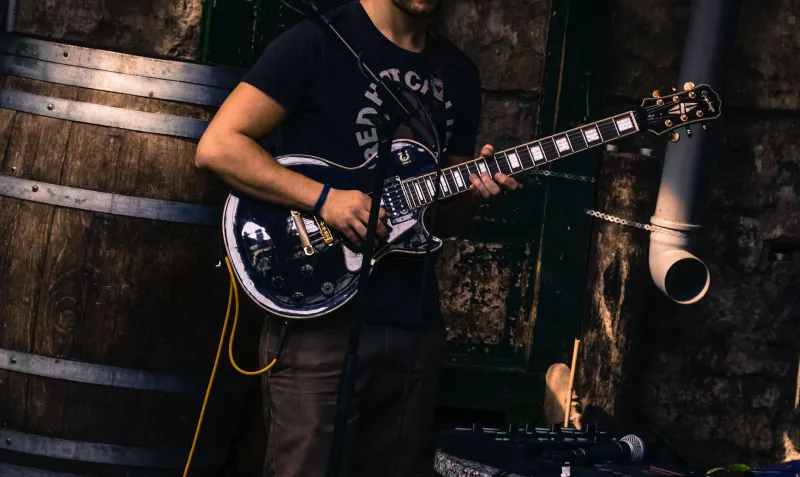
Before the first chord rings out at the Brixton Academy, there’s a moment few in the crowd ever see. A figure in black kneels by a rack of guitars, running a cloth along a fretboard, checking a jack, muttering a count under their breath. They hand over a Les Paul, disappear into the wings, and the show begins. That figure is the guitar tech, and they are the silent sixth member of every band you’ve ever loved.
The Rack Is a CV
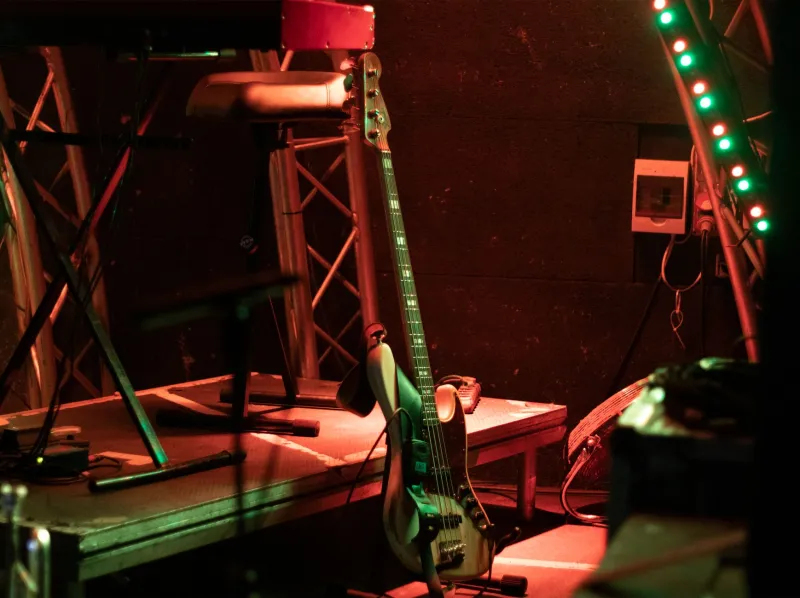
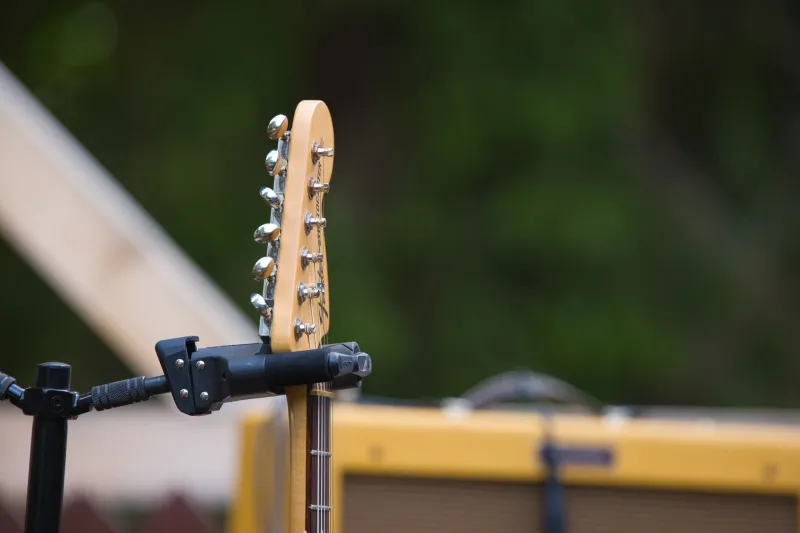
Walk into any British venue an hour before doors and you’ll find the same scene. A flight case open on the floor, a line of guitars laid out like surgical instruments, each one wiped, tuned and checked. The tech moves down the line with the calm of someone who has done this ten thousand times. They’re not just checking strings. They’re checking the story of the gig to come. Is the neck straight? Is the jack crackling? Does the back-up Strat need a fresh set of 10s because the singer’s been sweating through the first set all week?
At the Sheffield Leadmill, a tech once told me that a rack is a resume. “You can read a player’s whole career in the order they want their guitars,” he said. “The one they reach for first is the one they trust. The one at the back is the one they’re afraid of.” That kind of knowledge doesn’t come from a manual. It comes from watching, listening and learning the tiny tells of a guitarist who might not even know they’re giving them.
The Mid-Set Swap
The most famous guitar tech manoeuvre is the mid-song swap. The guitarist holds up a broken string like a dead soldier, and a hand appears from the darkness with a replacement already strapped on. It looks effortless. It is not. The tech has to know the setlist, the song, the tempo, and the exact second the guitarist will turn. They have to be invisible and indispensable at the same time.
There’s a story from a Manchester Apollo show in the late 1990s where a tech had to swap a guitar during a 12-bar blues number. The guitarist never stopped playing. The tech slid in from stage left, took the broken guitar from the player’s hip, replaced it with a tuned one, and was gone before the second chorus. The crowd didn’t notice. The band didn’t miss a beat. That’s the job: to be the reason nothing goes wrong, and then to vanish.
The Art of the Invisible Save
Not every save is a swap. Some are quieter. A tech notices a pedalboard power supply flickering during soundcheck and rewires it in the dark. They hear a microphonic valve in the amp and swap it before the first song. They re-tune a guitar by ear in the wings because the singer stepped on the headstock during the previous number. These are the moments that never make the review, but they are the difference between a good gig and a great one.
At Glastonbury one year, a tech spent twenty minutes before a Pyramid Stage set fishing a broken plectrum out of an acoustic guitar’s soundhole. The guitarist had dropped it mid-song the night before, and it was rattling around inside. The tech didn’t want the rattle to ruin the broadcast. He got it out, taped the soundhole, and handed the guitar back without a word. The guitarist never knew. The audience never knew. That’s the point.
Why No One Claps for the Tech
The guitar tech is the only member of the touring party who is expected to be perfect and invisible. The drummer gets a solo. The bassist gets a nod. The singer gets the spotlight. The tech gets a nod from the guitarist that says “thanks” without actually saying it. And that’s fine, because the tech isn’t in it for the applause. They’re in it for the craft.
But we should clap. We should recognise that every great guitar moment – the solo that sends shivers down your spine, the riff that makes you punch the air – is built on a foundation of quiet, unglamorous work. The next time you see a guitarist raise a guitar above their head at the end of a show, look to the wings. There’s someone there, already packing up, already thinking about tomorrow’s load-in. They won’t take a bow. They never do. But they’re the reason the show happened at all.
The Unsung Sixth Member
So here’s to the guitar techs of Britain: the ones who know the difference between a good gig and a disaster, the ones who can restring a guitar in under two minutes, the ones who carry the weight of a hundred small saves so the band can carry the crowd. They don’t get a headline. They don’t get a T-shirt. But every time a Les Paul is handed over in the dark, a little bit of magic happens. And it’s about time we noticed.