The Long Goodbye of the Left-On Amp: Britain’s Final Chord Ritual
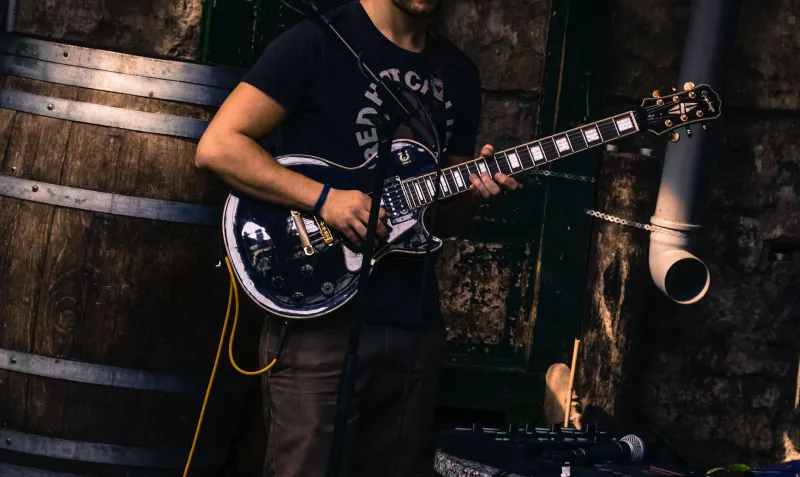
There is a moment at the end of a great guitar gig when the song is technically over but the performance is not. The drummer has stopped. The singer has said thank you. The bassist is already reaching for a towel. And the guitarist is still standing there, left hand wrapped around the headstock, right palm resting on the strings, while the amp behind them keeps up its low, patient hum. It is one of the most British things in rock music: a room full of people waiting for permission to clap.
The Chord That Refuses to Land
A final chord is never just a chord. It is a decision. Some guitarists go for the big open E and let it ring until the feedback starts to curl around the rafters. Others slam into a minor shape, mute it hard, and walk off before the last harmonic has finished arguing with the ceiling. The really confident ones do neither. They hit the note, hold it, and then slowly turn the volume knob down while the amp spits and crackles like a kettle coming off the boil.
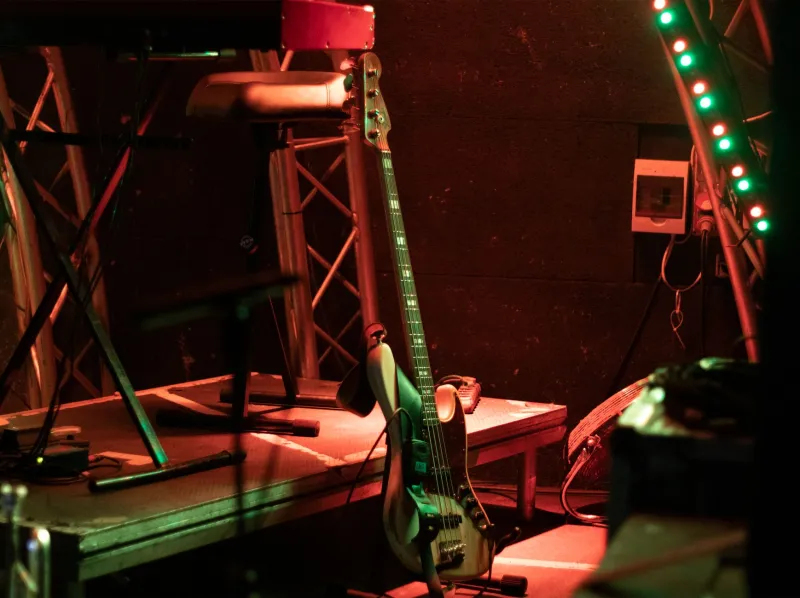
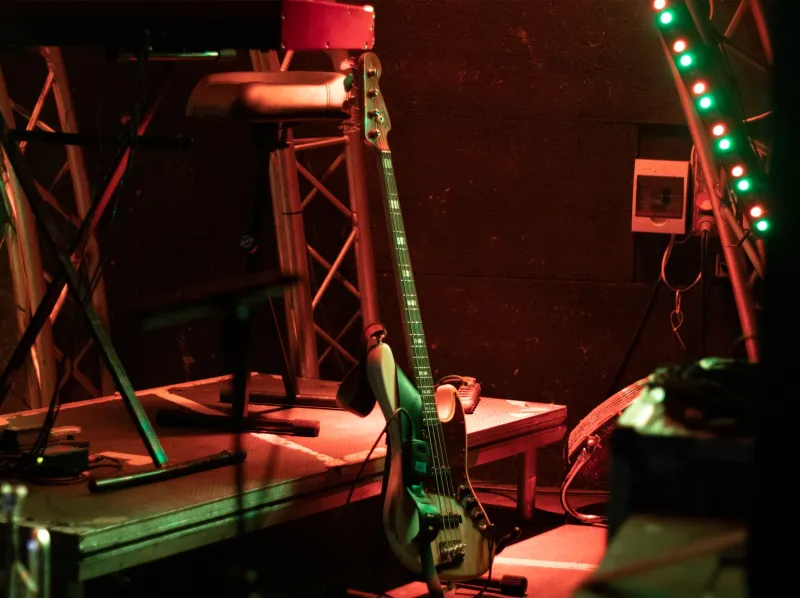
In the smaller rooms — the back bar of a pub in Sheffield, the Joiners in Southampton, the Brudenell in Leeds — the final chord often comes with a bit of theatre. The guitarist leans into the amp, not away from it. They know the hum is part of the act. A valve amp left on is not a mistake; it is a promise that the gig has not quite finished with you yet. The transformers are still warm. The speakers are still moving. The room is still listening.
Five Seconds of Collective Suspension
What happens next is the real test of a British audience. Nobody wants to be the first to clap. There is a superstition to it, a quiet agreement that the last note deserves a few seconds of air before the applause tramples all over it. You can see it in the faces near the front: the bloke with the pint who has stopped mid-sip, the couple who have stopped arguing about the setlist, the sound engineer at the back who has one hand on the desk and one eye on the lights.
Those five seconds are not empty. They are full of ringing ears and overheard whispers. They are full of the amp. If the guitarist has left it on — and many do — the hum becomes the actual ending of the song. It is a low, electrical drone that says the gear is still alive, the night is still going, and the walk to the last train has not started yet. In 2026, when so much of a gig is captured on a phone before it has even finished happening, that unrecorded hum feels almost defiant.
The Hand on the Headstock
The gesture is almost universal. The guitarist's hand goes to the headstock, not to pose, but to silence the strings without killing the amp. It is a way of saying the song is done while letting the equipment have the last word. Some players do it gently, like they are calming a nervous horse. Others clamp down like they are closing a book. Either way, the audience reads it. That hand on the headstock is the full stop. The hum is the ellipsis.
You see it at every level, from a working men's club in Doncaster to the sloping floor at Brixton Academy. The scale changes, but the ritual does not. An arena headliner might have a wall of amps and a lighting rig that could land a plane, but the final moment is still the same: one person, one guitar, one last chord, and a room full of people deciding whether to cheer or just stand there grinning like idiots.
Why the Hum Matters
The left-on amp is a very British kind of ending because it is understated. It does not bow. It does not explode. It just keeps going, quietly, until someone remembers to turn it off. In the pub circuit, that someone is often the guitarist themselves, kneeling down after the applause has died to flick the standby switch. In the bigger venues, a tech does it. But for those five seconds, the amp belongs to everyone.
It is also a reminder that guitar music is a physical thing. You can feel the hum in the floor. You can hear it in the silence between the last cymbal crash and the first shout for more. It is the sound of electricity doing nothing in particular, which is somehow more moving than a perfectly rehearsed finale. The best gigs do not end; they power down.
So next time you are stood in a crowded room and the band have finished but nobody has moved, do not clap straight away. Give it five seconds. Listen to the amp. That hum is the last honest note of the night, and it is still ringing in 2026.