Silver Strips and Sticky Salvage: How British Guitar Gigs Learned to Trust the Roll
Before the first chord at a 250-cap room in Leeds, the guitarist is on hands and knees. Not praying. Taping a lead. A strip of black gaffer runs from the jack, loops once and disappears under the pedalboard. The house lights are still up. The room smells of beer and cleaning fluid. The roll is doing what it has done for decades: buying the gig five more minutes.
A roll with a job title
Gaffer tape was named for film and TV gaffers, the crew who rig lights and keep sets safe. By the time British bands got hold of it, it had already proved its worth: strong, cloth-backed, low-glare and—crucially—removable without taking the paint with it. In the UK, it became the guitarist’s answer to a Swiss army knife. Duct tape is the cousin you call for a van door; gaffer is the one you trust near a vintage amp. It tears cleanly, holds firm and, most of the time, comes off without taking the tolex with it.
The tape’s genius is that it solves problems without asking permission. A strap button pulls loose? Tape it. A battery compartment won’t stay shut? Tape it. A setlist won’t stay down in the draught from the fire exit? Tape it. A lead is asking to be tripped over? Tape it. The solutions are temporary, visible and deeply unglamorous, which is exactly why they work.
The silver geography of a stage
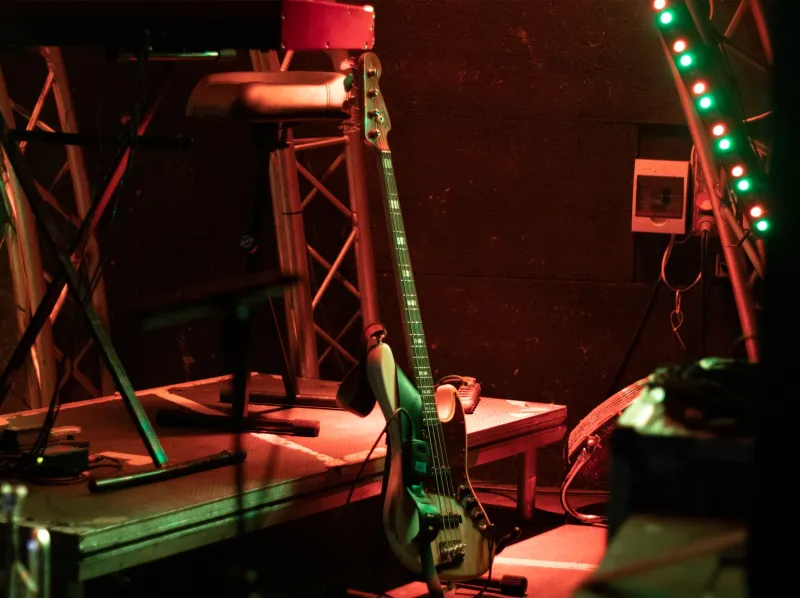
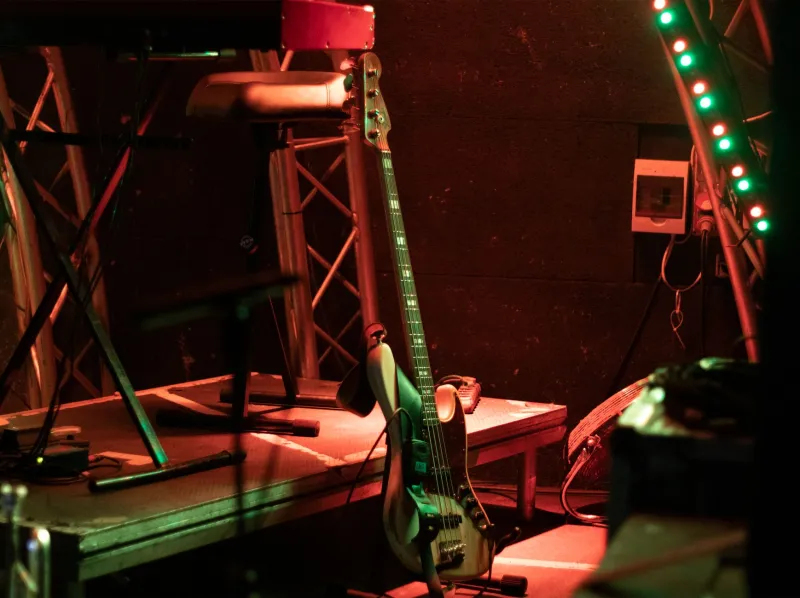
Walk into a soundcheck in Glasgow or Bristol and you will often see the same thing: strips of silver tape on a black stage. An X for the mic stand. A box for the pedalboard. A line for the amp. A long, neat run for the cables. In rooms with no stage plot and a house crew already stretched, tape is the map. It tells the band where to stand, the crew where to walk and the lighting tech where not to trip.
The ritual is not decorative. It is a contract with the room. Mark the stage before the doors open and the gig has a chance. Leave it to chance and the first song becomes a game of musical furniture. At the end of the night, the tape gets peeled up or left for the next load-in. Either way, it has done its job: it has turned a sticky carpet into a plan.
Make-do and mend, amplified
Britain’s gig circuit has always run on improvisation. Small rooms, old gear, one roadie and a load-in through the kitchen will do that. The same instinct that kept a valve amp going through a cold van and a warm pub is the instinct that reaches for the roll. It is make-do-and-mend with a backline.
In 2026, a guitarist can order a replacement part before soundcheck and have it delivered to the venue. But the tape still comes out first because it is faster, cheaper and already in the gig bag. Venue margins are thin, touring costs are high and nobody wants to cancel a show over a loose jack. The roll is not nostalgia for its own sake. It is practical memory: a hundred small failures solved before they became a story.
What the tape can’t fix
Gaffer tape is not a technician. It should not go over amp vents, hot valves or anything that needs to breathe. It is not a substitute for a proper cable ramp, and it will not save a lead that has been yanked one too many times. Use it on paint at your peril. Use it on a borrowed guitar and you may lose a friend.
The tech wisdom is simple: tape the lead, not the jack. Leave a little slack. Keep the run flat. Peel slowly. And carry a roll of the good stuff, because the cheap stuff leaves residue and the residue always ends up on your hands before the encore.
The roll in the bag
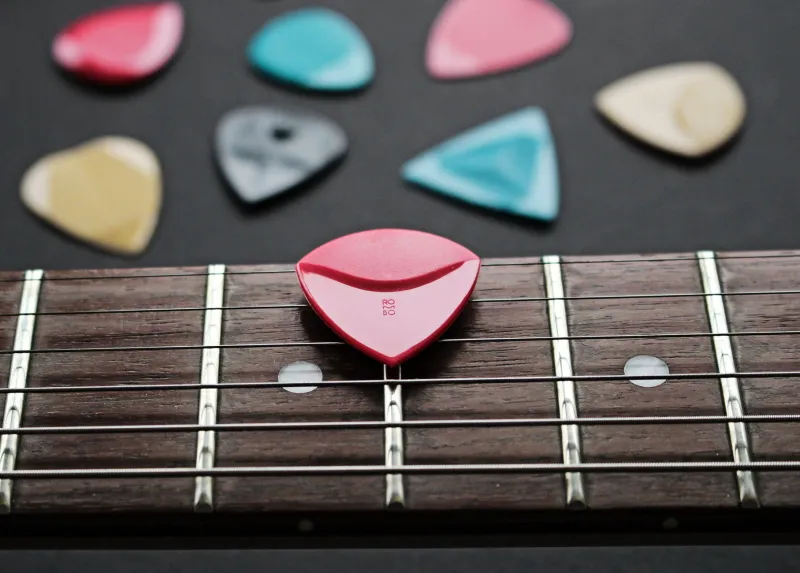
Every gig bag has a roll in it, usually half-used and slightly furry with dust. It sits next to the spare picks and the dead battery you keep forgetting to bin. It is not a glamorous piece of kit. But it is the thing that keeps the night standing when the strap button gives way, the setlist takes flight and the stage has no markings at all.
The silver strips get peeled up. The habit stays. In 2026, British guitar gigs still run on improvisation and adhesive, and the roll is still the most trusted accessory in the bag.