The Night the Les Paul Said Goodbye: Ronson, Hammersmith and Rock’s Greatest Vanishing Trick
Most retirement announcements arrive with a press release. Ziggy Stardust’s arrived with a guitar solo that had already done the talking. On 3 July 1973, at the Hammersmith Odeon, David Bowie told the crowd it was not just the last night of the tour but the last show they would ever do. The shock has been written about ever since. Less examined is the role Mick Ronson’s Les Paul played in making that sentence land — and in making thousands of fans leave convinced the whole thing was a scheduling hiccup.
The guitar at the centre of the rumour
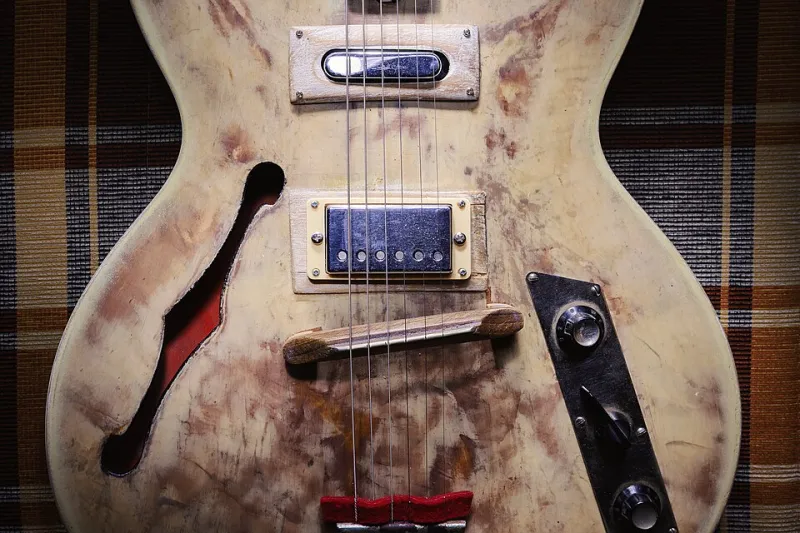
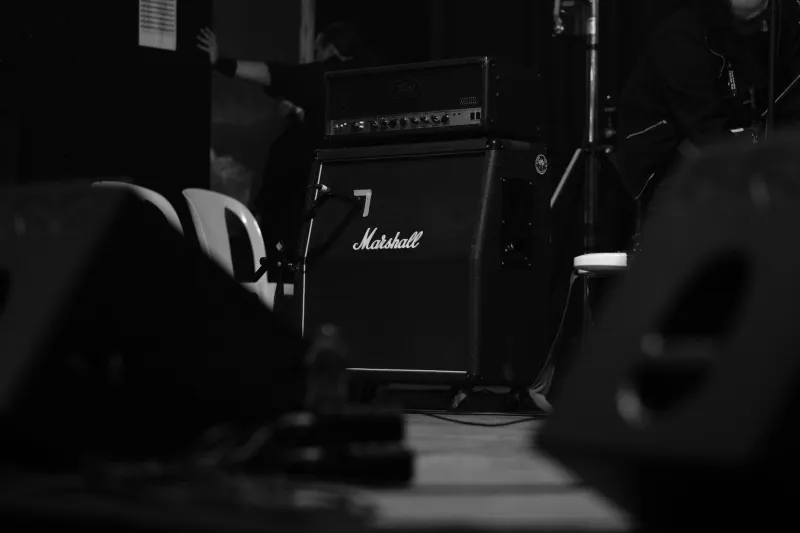
Ronson wasn’t the frontman, but he was the sound of the band’s spine. His black Les Paul Custom, parked in front of a Marshall stack, gave the Spiders a tone that was neither flashy nor polite. It had bite. It had midrange. It sounded like a guitar that had been gigged rather than groomed. On ‘Moonage Daydream’ the Les Paul snarled and swooped; on ‘Suffragette City’ it kicked the door in; on ‘Rock ’n’ Roll Suicide’ it had to do something harder — it had to sound like an ending without giving the game away.
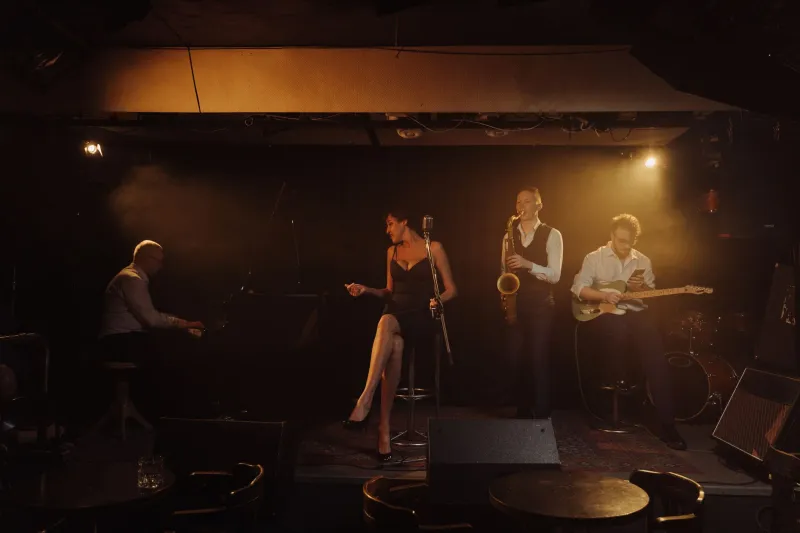
That’s the thing about the Hammersmith show. The famous announcement gets remembered as a theatrical bombshell, but the music had been building towards a full stop all night. Ronson’s playing was the tell. He wasn’t just decorating Bowie’s songs. He was arranging them in real time, answering the vocals, filling the gaps where a lesser band would have put a backing vocal or a cheap bit of theatre. When the final chord came, it wasn’t a cartoon thunderclap. It was a room-sized, valve-driven sigh.
A tone built for the back of the room
The Hammersmith Odeon wasn’t a stadium. It was a big, echoing cinema with a stage, and that suited Ronson down to the ground. His sound didn’t rely on a wall of effects. It relied on the Les Paul’s weight, the amp’s breakup and the way a bent note can carry from the front row to the back of the balcony. In 1973, that was how you reached people: not with a click track and a lighting cue, but with a guitar that sounded like it meant it.
Listen to the footage from the night — filmed by D.A. Pennebaker and later released as ‘Ziggy Stardust: The Motion Picture’ — and the guitar is everywhere. It’s in the scrappy fills, the held notes, the moments where Ronson looks like he’s concentrating on something just out of shot. He wasn’t a showman in the accepted sense. He was the bloke in the waistcoat making sure the songs had a pulse. That’s why the last chord matters. It wasn’t the loudest thing in the building. It was the most human.
Signals, not speeches
The farewell itself was a stage announcement, not a band meeting. Bowie said the words; the crowd made the noise. But the guitar had already set the terms. Ronson’s playing that night was full of little signals — a lift here, a pause there, a solo that seemed to be looking over its shoulder. In a normal end-of-tour gig, those signals mean ‘we’re nearly at the bar’. At Hammersmith, they meant something stranger: the band was saying goodbye while the audience was still planning its journey home.
That’s the part that gets lost. The crowd didn’t all gasp and accept it. Plenty left believing Ziggy would be back in a fortnight, or that it was a stunt, or that the Hammersmith date was simply the last one before a new tour was announced. Britain in 1973 was a country of club residencies, Sunday-night supports and gig listings that changed by the day. ‘Last show’ sounded like admin. Fans had been trained to expect a return.
The last chord as a comma
The genius of the moment — and the reason it still nags at guitarists in 2026 — is that Ronson never played it like a full stop. The final chord of ‘Rock ’n’ Roll Suicide’ doesn’t grandstand. It rings, frays and disappears. It leaves the door open just enough for denial. If the guitar had ended with a giant, theatrical crash, the audience might have understood the score. Instead, it ended like a gig ends: amp hum, applause, the clatter of seats, the rush for the last train.
That ambiguity is why the Hammersmith farewell has outlived so many cleaner retirements. It wasn’t just Bowie’s announcement. It was a guitar part that made the announcement feel provisional. Ronson’s Les Paul didn’t say ‘this is over’. It said ‘this is over for now, maybe’. And in a country that has always treated a gig as something that might be repeated next week if the landlord agrees, that was the most British goodbye imaginable.
Why it still rings
Mick Ronson died in 1993, and the Hammersmith Odeon has changed names since. But the guitar on that stage still does its work. It reminds us that a farewell is rarely a single moment; it’s a tone, a pause and a crowd misreading the room. The last chord at Hammersmith wasn’t the end of Ziggy. It was the sound of thousands of people deciding to come back anyway.