The 23:07 Encore: How Rail Timetables Became Britain’s Toughest Gig Promoter

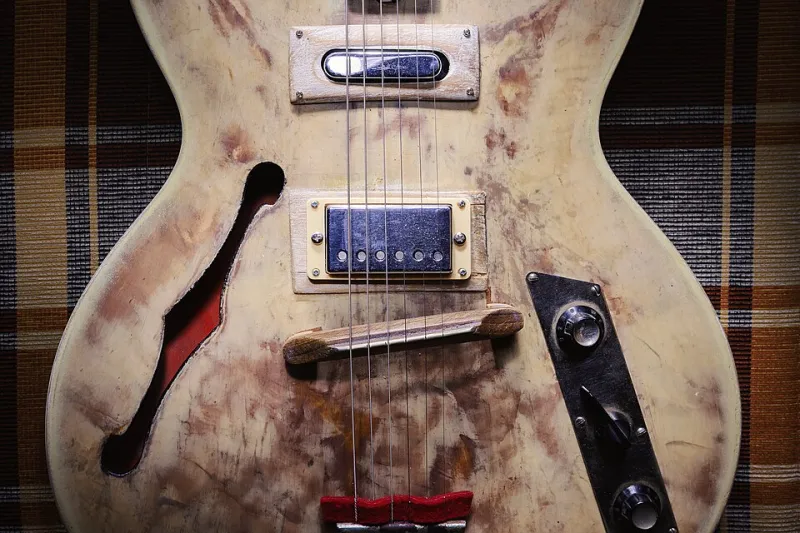
Photo by Photo by Nick Collins on Unsplash on Unsplash
The house lights are still down, the crowd is still greedy, and the guitarist is already doing arithmetic. One eye on the audience, one on the clock at the back of the room. The singer leans into the mic and says something about doing one more, but the promoter is already mouthing the truth from the side of the stage: last train. Not last orders. Not curfew. Last train. In Britain, that phrase has ended more encores than any noise complaint.
The unspoken second headliner
There is a particular kind of tension in a UK venue when the night has to fit around the railway. Licensing hours set the outer limit, venue curfews tighten it, and the last service home draws the line that actually matters. A band can argue with a promoter. A crowd can chant through a curfew. Nobody argues with the 23:07 to Leeds. It leaves when it leaves, and it takes a good chunk of the audience with it.
That reality has shaped guitar gigs for decades, from sticky-floored rooms near provincial stations to big-city venues where the tube and the last Overground service act as a silent second promoter. In London the clock can feel almost generous until you remember the replacement bus. Outside the capital, the margins are often tighter: an earlier last train, a Sunday timetable, a connection that turns a two-song encore into a sprint across a dark car park. The result is a setlist written by Network Rail as much as by the band.
Curfew maths and the lost ballad
Ask players about it and the stories are rarely grand. They are practical. The slow number dropped because it would eat four minutes and leave no room for the song everyone came for. The extended jam trimmed because the guitarist knows half the front row is calculating the walk to the station. The encore chosen not for emotional arc but for speed: short intro, no tuning, straight into the riff. The clock does not care about dynamics.
Promoters know this better than anyone. They build the night backwards from the last service, not forwards from the doors. Support slots get squeezed, changeovers get brutal, and the headliner’s schedule is negotiated like a treaty. A promoter in the north of England once described it as running a gig with a trapdoor at the end of the stage. You can pretend it is not there for most of the night, but it opens at a fixed time whether the band are ready or not.
For fans, the timetable creates its own rituals. The ones with a train to catch cluster near the exits before the encore. They are not being disloyal; they are being realistic. They have done the maths on the last connection, the taxi surcharge, the Monday morning that waits on the other side. The band can see them going. The encore becomes a compromise: a burst of noise, a quick thank-you, a final chord ringing out while half the room is already pulling on coats.
Why the rushed ending sticks
You would think that would make the gig feel lesser. Often it does not. There is a strange charge to a last song played under duress. The band are not stretching out; they are going for it. The audience are not settling in; they are holding on. The usual theatrics get stripped away because there is no time for them. What is left is the riff, the chorus, the room, and the clock. It can feel more punk than any carefully staged climax.
That is why the hurried final song often outlives the polished three-hour set. A long headline show can blur into a warm haze of highlights. A gig that ends because the last train is coming has a hard edge. Everybody remembers the song the band almost did not play, the encore cut in half, the singer laughing at the promoter’s frantic hand signals. Imperfection gives the memory a hook. The story becomes not just the gig but the escape from it.
There is also a myth-making effect. A rushed ending suggests the band would have played all night if the world had let them. Whether that is true is almost irrelevant. The timetable provides the alibi. The crowd provides the legend. The guitarist provides the riff, usually faster than intended, usually louder, usually with one eye on the door.
The clock as collaborator
In 2026, the last train is still a hard border around the night. Rail schedules remain a fact of touring life, and the cost of missing a connection has not got any gentler. But the constraint is not simply an enemy of the gig. It is part of what makes British live music feel British: provisional, practical, slightly rushed, held together by goodwill and a knowledge of which platform to head for.
The best guitar bands do not ignore the clock. They use it. They know when to cut the chat, when to swap the ballad for the banger, when to make the encore a short, sharp shock rather than a lap of honour. The timetable becomes an uncredited collaborator, forcing decisions that a looser night might never demand. And sometimes, in a room full of people who all have somewhere else to be, that pressure produces the kind of final chord that stays long after the train has gone.