Behind the Counter, Before the Soundcheck: Britain’s Independent Guitar Shops in 2026
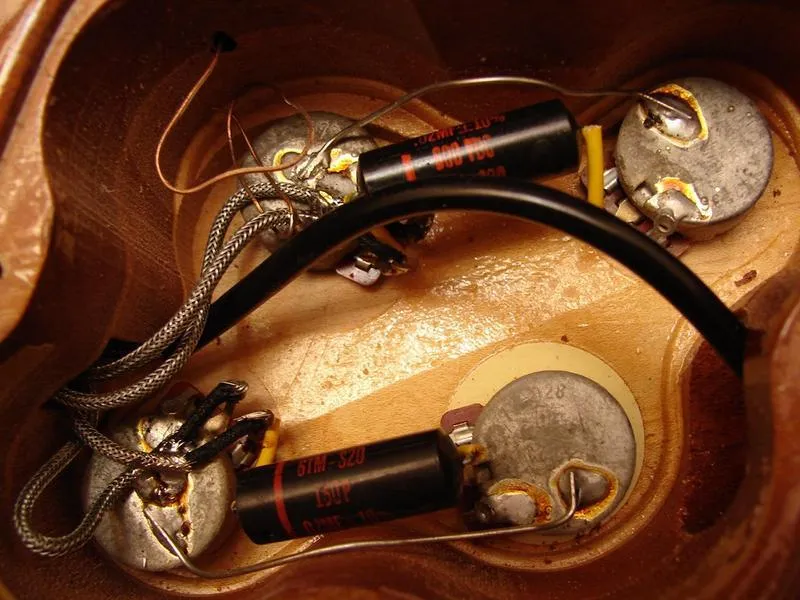
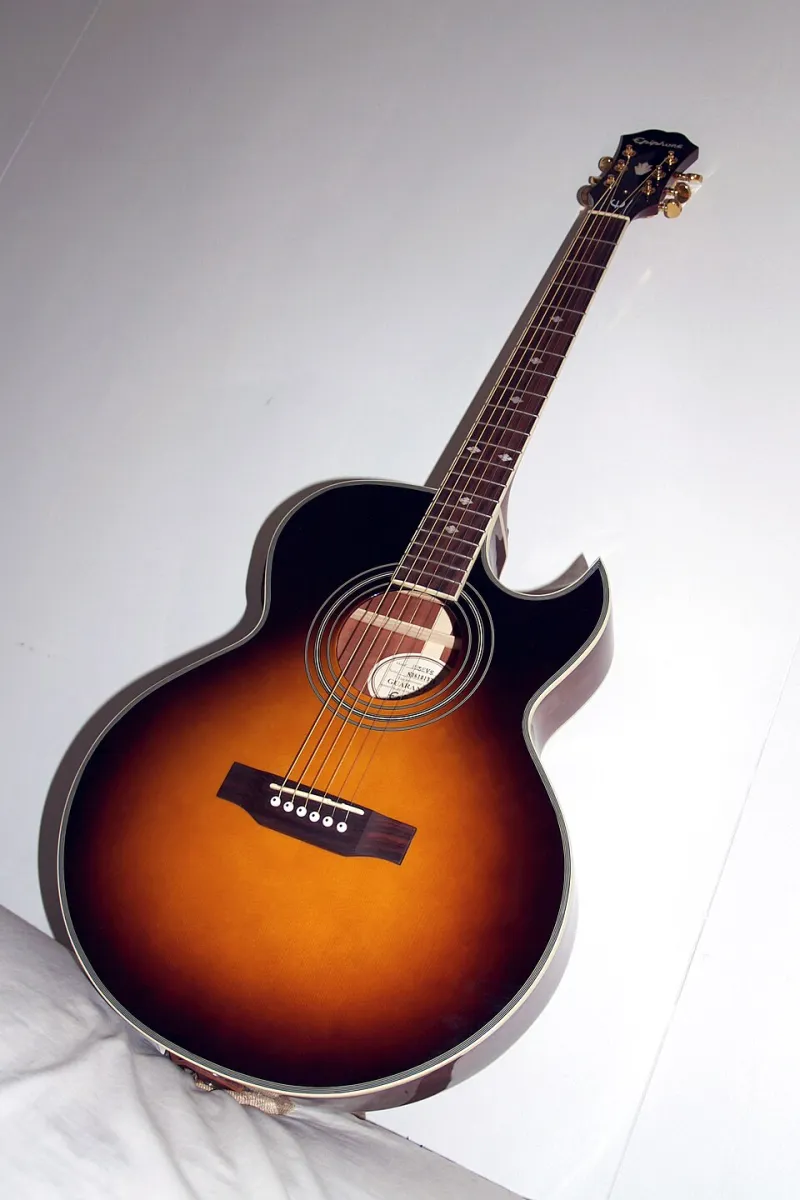
Photo: TT Zop, CC BY-SA 2.0, via Wikimedia Commons
Walk into the right guitar shop and you can smell the gig before you hear it. Not sweat and lager — that comes later. This is dust on a speaker grille, hot solder, old tolex, fretboard oil, and the faint electrical warmth of a valve amp that has been switched on for so long it has become part of the furniture. In 2026, when so much of buying a guitar happens on a phone, that smell is a kind of resistance.
Why the Smell Matters
Online retail is efficient. A guitar shop is not. It is a room where a Stratocaster can be set up while you wait, where a teenager can plug into an amp that is far too loud for the space, and where a repairer can tell you more about your own instrument in five minutes than a product page ever will. The smell is not nostalgia for its own sake. It is evidence of work.
That work is increasingly rare. High streets have been hollowed out, business rates have bitten, and the habit of trying before buying has been replaced by three-day delivery and a returns label. Yet the independent guitar shop survives in pockets — sometimes by selling online too, sometimes by becoming a repair hub, sometimes by being the only place in town where someone will listen to your band story without checking their watch.
Soho: The Last Lit Windows on Denmark Street
Denmark Street still feels like a place where songs are meant to be written. The windows are fewer than they were, and the rents are not a secret, but the cramped stairs and the guitars hung three deep still do a specific job. You climb up, mind your head, and enter a room that sounds like an amplifier being switched on somewhere below.
The person behind the counter is usually mid-sentence about a nut width or a bridge pickup when you walk in. They will not rush a setup. They will ask what you play, not what you want to spend. On a good day, they will plug you into something small and honest, and the guitar will suddenly feel like it belongs to you rather than to the wall.
Leeds: The Chapel With a Chorus of Combos
On the edge of Leeds, a converted chapel does a brisk trade in second-hand amps and quiet expertise. The acoustics are ridiculous in the best way. A chord rings out and hangs in the roof space, and every combo in the room seems to answer it. It is not a showroom. It is a workshop that happens to sell guitars.
Here, setting up a Stratocaster is a ritual. Truss rod, nut, saddle height, intonation, a wipe of the fretboard, a new set of strings. Nothing is hurried. The counter is not a stage, but it is close enough: a place where the guitar is prepared for the gig you have not yet booked.
The North, the Coast and the Arcades
Manchester’s Northern Quarter still has rooms where the gear is stacked high and the chat is free. Glasgow’s Southside has shops that feel like they were built around a repair bench and filled in with cases. Brighton’s North Laine does a line in offset guitars and pedals that look like they have already played a hundred small shows. Cardiff’s arcades hide shops that reward anyone who walks past the phone shops and keeps going.
Each one is different, but the pattern is the same. The good ones are run by people who can hear a guitar before it is plugged in. They know when a neck is wrong, when a pickup is tired, and when a customer needs to be left alone with a chord for a minute.
A Field Guide for the First Visit
- Ask before you shred. Someone is always mid-setup, and the shop is not a rehearsal room.
- Bring the guitar you actually play. A setup makes more sense when the instrument is in the room.
- Budget for strings and a setup, not just the guitar. The shop survives on the small stuff as much as the big sale.
- Listen to the counter. The best advice often arrives while you are pretending to look at a pedal board.
- Buy something small if you have taken up their time. It is not a museum, and the door has to stay open.
The Counter Is a Stage
These shops matter because they keep the chain between wanting a guitar and playing a gig intact. In 2026, that chain can feel fragile. But walk into the right room, hear a valve amp warm up, and smell the dust and solder, and it is still there. The high street may be changing. The old dreams have not moved out yet.