Sticky Carpets, Real Stakes: The Room Above the Pub Is Not a Museum Piece

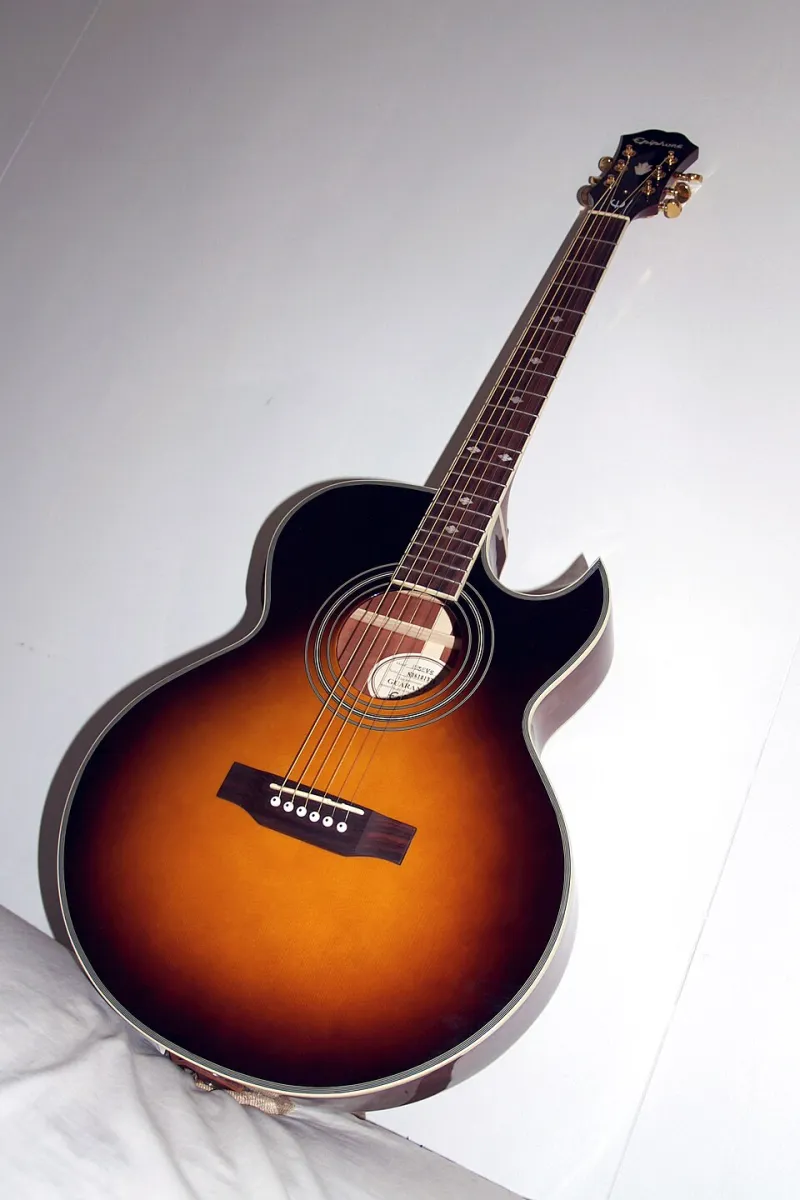
Photo: BFS Man from Webster, TX, USA, CC BY 2.0, via Wikimedia Commons
There is a particular smell to a venue with a capacity of ninety-eight. Beer, obviously. But also carpet that has absorbed four decades of it, and a faint electrical warmth from the lighting rig somebody's cousin rewired in 2004. If you've spent any time in British guitar music, you know that smell. You probably know it better than you know your own kitchen.
I love those rooms. I'm not going to pretend otherwise. But I'm bored of the way we talk about them, as though a fond memory counts as a plan. The toilet circuit isn't preserved under glass. It's a business with a leaking roof, and this winter it needs punters more than it needs compliments.
Nostalgia is not a business plan
Every few months a photograph of a beloved small venue goes around with the word CLOSED across it, and everyone does the same ritual: a sad post, a comment about the night they saw someone famous there in 2003, and absolutely no change in behaviour. Meanwhile the actual reasons venues shut are almost never romantic. It's a rent review. It's a licence condition. It's a noise complaint from a flat that was built next to a music venue and then objected to the music. It's the electricity contract renewing at a figure that makes a 100-cap room unviable before a single guitar case is opened.
Nostalgia is the enemy here, because it frames these places as heritage rather than infrastructure. Heritage gets a plaque. Infrastructure gets funded, or it gets fixed, or it gets defended at a council meeting by people who understand that it does a job.
The cheapest R&D lab in the music industry
Here's the job. A small room is where a band learns to be a band. Not the songwriting — the other bit. How to hold a room when eleven people are talking. How to play badly and recover. How to do a 28-minute set with a 25-minute headline slot because the curfew is 11pm and the DJ needs the decks. How to load in through a door too narrow for a 4x12 and still be soundchecked by half eight.
You cannot learn any of that in a rehearsal studio, and you can't fake it in a support slot at an arena. The grassroots circuit is the only place in the country where a guitarist gets hundreds of low-stakes repetitions of the thing they actually need to be good at. Kill the circuit and you don't just lose venues, you lose the training ground. The acts that fill big rooms in 2031 are, right now, playing to forty people above a pub in Preston.
The 2026 arithmetic
The Music Venue Trust has spent years publishing the same grim spreadsheet, and the trend hasn't reversed. Grassroots rooms operate on agonising margins: ticket income split with the band, bar income wiped out by a quiet Tuesday, business rates relief that comes and goes with the political weather, PRS and licensing and insurance and PAT testing and a roof that has to be fixed whether or not anyone turns up. Energy costs alone have broken rooms that were perfectly healthy in 2019.
The Agent of Change principle — the sensible rule that whoever builds next to a venue should pay for the soundproofing — is now embedded in planning policy, and it has saved real buildings. But planning protection doesn't pay a sound engineer's wages. Only tickets do.
The people holding the door open
What keeps the circuit alive is rarely a hero. It's a promoter with a spreadsheet and a stubborn streak. Nadia Okafor books a ninety-cap room in Leeds and has done for six years. “I stopped programming for prestige and started programming for the room,” she says. “Four bands, tight changeovers, doors at seven, done by eleven. We sell out more often now because people know they'll be home by midnight and they'll have seen three bands they'd never heard of.”
Then there's the sound engineer — every city has one — who has worked the same Wednesday for a decade and can get a decent mix out of a room with a pillar in the middle and a ceiling that eats cymbals. Gav Pritchard, who mixes in Cardiff, puts it bluntly: “Nobody's here for the acoustics. They're here because it's loud and it's close and something might happen. My job is to make sure the something happens to the band, not to the PA.”
And there are venues proving it can work: The Windmill in Brixton, The Ferret in Preston, The Trades Club up in Hebden Bridge, Le Pub in Newport, The Louisiana in Bristol, The Boileroom in Guildford. Not museum pieces. Working rooms, mostly, with actual winter programmes and actual tickets on sale.
What to do this winter
You don't need a campaign. You need a Tuesday.
- Go to a show you have no reason to go to. Not a reunion, not a name. A local promoter's bill on a wet Wednesday.
- Buy the ticket in advance, not on the door. Advance money is what pays the band, and it's what tells a promoter the night is worth repeating.
- Buy the shirt. Merch is the only part of the money that goes straight to the people on stage.
- Put something in the bucket. If a night is free entry, it isn't free to run.
- Buy a pint you don't especially want. Bar takings are the reason the room can afford to book a band with no following yet.
- Speak up locally. Licensing consultations and planning applications are dull, brief and decided by the people who bothered to reply.
The last word
We are very good in this country at mourning small venues after they've gone. We're less good at standing in one on a cold Thursday with a warm pint, watching a band who drove ninety minutes for forty quid and a floor to sleep on.
So: find a room the size of your front room, with a stage the size of your sofa, and go and see whoever's on. That's not nostalgia. That's the whole thing, still running, still needing you to turn up.