No Jack, No Amp, No Problem: Britain’s Silent Guitar Theatre
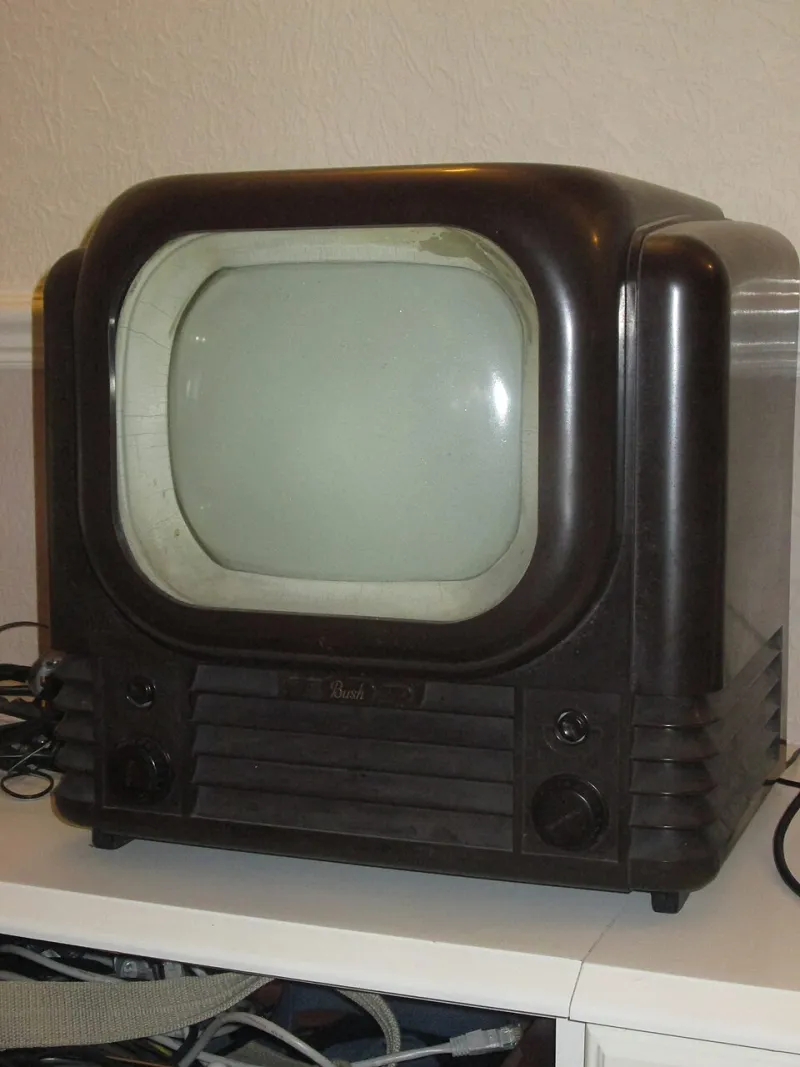
Photo: electromechanic812291, CC BY 2.0, via Wikimedia Commons
There is a particular kind of British television memory that arrives before the sound does. A guitarist walks on, strikes a pose, hits a chord and the record plays. The guitar is real. The amp is real. The cable is real, or at least it looks real. What is missing is the signal. For years, British music telly was built on this strange bargain: the guitar was there to be seen, not heard.
It was not a secret. Everyone knew. Yet the mimed guitar solo became one of the most enduring images in British pop culture, a piece of weekly theatre that taught generations how to watch a guitarist as much as how to listen to one.
The Rule Was Never Really About the Guitar
On programmes like Top of the Pops, the default was to perform to a backing track. The reasons were practical and institutional: the weekly turnaround, the cost of proper live sound, the Musicians’ Union, the BBC’s own habits, and the simple fact that a chart show was not a concert. The guitar was a visual prop in a television ritual, but it was a prop with enormous power.
Bands understood the assignment. Some fought it. Some ignored it. Most turned up, plugged nothing in and gave it the full rock ’n’ roll face. The result was a performance that existed in two places at once: the record doing the work, the guitarist doing the meaning.
Spotting the Tell-Tale Signs
Fans learned to watch the hands. The first giveaway was often the lead: a cable curling away from the jack with nowhere to go, or a jack that never quite entered the socket. Then the amp: no microphone in front of it, no cable snaking across the studio floor, no reason for it to be switched on at all.
More subtle were the performance tells. A guitarist strumming open chords during a solo. A capo appearing between verse and chorus. A hand moving to the neck a fraction after the record does. A guitarist changing guitars mid-song because the original single had a different sound, not because the song demanded it live. The drum pads that made no sound. The backing vocalist miming into a microphone that was switched off.
None of it was meant to fool the audience completely. It was meant to satisfy the format. The mimed guitar was not a con; it was a grammar. It said: this is television, and television has its own rules.
The Theatre of the Almost-Real
What makes these moments so fondly remembered is their odd honesty. The guitar was silent, but the performance was not. A guitarist still had to sell the riff with posture, timing and attitude. In some ways, the mime made the visual language of rock more explicit: the wide stance, the low-slung Les Paul, the windmill, the sneer. Without the sound to carry the moment, the body had to do more work.
Saturday-morning pop, early-evening chart shows and later youth telly all inherited the same convention. Some acts broke it deliberately, turning up with live vocals or a stubbornly plugged-in amp. But the silent guitar remained the norm for long enough to become a tradition. It was not a failure of authenticity. It was a form of British telly surrealism: a nation watching guitars that were never going to make a sound.
Why the Silence Still Echoes
Those clips still shape how Britain remembers its guitar heroes. We remember the look before the tone. We remember the guitar even when no note came from it. For a culture raised on Top of the Pops, the mimed guitar taught us that performance and sound are separate things, and that a guitar can be an icon even when it is doing nothing at all.
It also explains something about British guitar culture: our affection for the pose, the prop and the almost-real. The silent guitar on telly is a close cousin of the air guitar in the bedroom and the guitar hero on the screen. All of them are about the image of playing, and the feeling that image carries.
So the next time an old clip appears, watch the cable. Watch the hands. Listen for the silence between the record and the room. It is part of the record too.